
Joseph Gordon-Levitt: Listen to Queer Youth on Section 230
Repealing Section 230 would be dangerous or deadly for thousands of young people, activists, and journalists.
The Letter
Dear Joseph,
We’re a coalition of human rights groups, young people, parents, and Internet users who are concerned about your recent endorsement of the Sunset Section 230 Act. We’re also uneasy about your public alignment with the National Center on Sexual Exploitation (NCOSE), a virulently homophobic organization seeking to censor both digital and print media and police people’s personal lives.
Internet regulation is complicated, as you know—your recent video describes Section 230 repeal as part of a longer strategy, not an end in itself.
But some of your partners—and powerful figures on the radical right—aren’t playing the long game. They’re interested in what Section 230 repeal will get them right now: a powerful weapon that would supercharge their crusade against LBGTQ+ rights, digital organizing, and much of what makes our online lives interesting and creative.
There is a lot wrong with social media and the profit-hungry monopolies controlling it. NCOSE (formerly Morality in Media), the Heritage Foundation, and other groups know people are angry at Big Tech—and they’re exploiting our anger, subtly positioning Section 230 as the root of all our problems.
Sunsetting Section 230 wouldn’t fix the Internet, not even close. Instead, it would expand the possibilities for large-scale Internet censorship and would put many vulnerable young people in danger by removing their access to mental health resources, accurate information about the world and their bodies, and lifesaving support from peers and identity-specific hotlines.
As you acknowledge, if Section 230 were repealed, your platform HitRecord would be opened to lawsuits from anyone who says content on HitRecord harmed them in some way. In return, your team would likely develop a hyper-vigilance about “difficult” content, and your legal team would counsel you to prohibit, filter, and remove anything mentioning “tricky topics” like depression, family separation, or gender identity.
Now, imagine every platform making that calculus—and choosing to be “safe” rather than sued.
Without Section 230, the Internet will transform into a sanitized, childproofed, repressive shadow of its former self, while we wait for a replacement policy that may never come. And we won’t be able to go back.
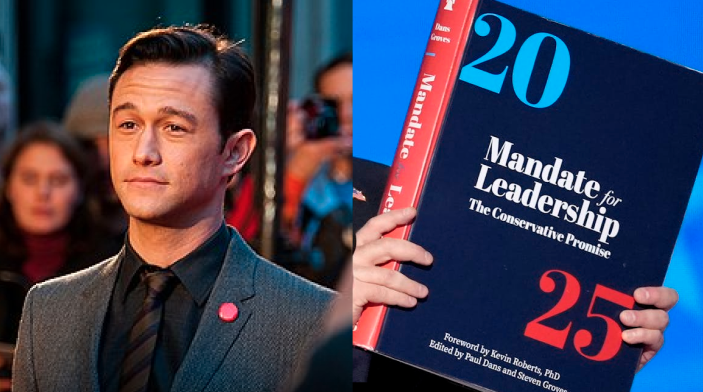
History and context matter here. The fight to repeal Section 230 has been a years-long, coordinated campaign engineered by right-wing political operatives. In the same way that Phyllis Schlafly used the language of choice and responsibility to undermine the Equal Rights Act and defend marital rape, these operators (many linked to the Heritage Foundation) prey on fear and uncertainty to demand ever-more-restrictive censorship measures. NCOSE, your partner in the Section 230 repeal effort, has a long history of anti-art, anti-free speech positions. In 1990, its Massachusetts chapter demanded the closing of a Robert Mapplethorpe exhibit, making the horrific claim that it “contributed to the AIDS crisis” by “promoting promiscuity.” As late as 2009, it was associating the right to gay marriage with mass murder. These groups want to see free speech and human rights lose—and we must interpret their political demands on this basis.
In this era of ICE crackdowns and deadly government repression, it is not an exaggeration to say that everyday people’s posts, messages, and digital networks are the reason that on-the-ground resistance is working. People use the Internet to protect their neighbors from government kidnapping. Queer people use it to support one another around the globe. Women in states where abortion is criminalized go online to find reproductive health information. The victims in the Epstein Files and their allies use the Internet to make brave demands for accountability and expose pedophiles. If Section 230 were “sunset,” any platform that “aids and abets” these activities would have a massive target painted on its back.
Today’s kids and teens are living through crisis after crisis. They and their schoolmates are being tracked and detained; meanwhile, mass shootings have become so common they cease to make front-page news. Their gender-affirming care is being revoked without notice and without appeal. In short, they are hurting as the adults in the room actively stymie their right to a safe, flourishing life.
For these kids and teens—especially young people living in unsupportive or abusive families—the resources Section 230 protects could mean the difference between life and death. Section 230 isn’t close to a perfect solution. But, under our current conditions, it remains an essential, life-preserving tool.
We understand that your support of the Sunset Section 230 Act came from a heartfelt desire to improve the world for young people. But there is a reason that dozens of human rights organizations and untold numbers of mobilized youth believe that protecting Section 230 is mission-critical. There are other ways to approach the problems you identify: look into the Algorithmic Justice and Online Platform Transparency Act as a start.
We, the undersigned, urgently ask that you withdraw support from the Sunset Section 230 Act and sever ties with the anti-LGBTQ+, extremist organization NCOSE. There is nothing braver than admitting you were wrong, and our coalition is ready to welcome you as an ally of LGBTQ+ youth, abuse survivors, abortion patients, and digital justice experts.
Sign the Letter
Comments
A sample of the 1,766 comments we’ve received since February 13, 2026: